You’d think the cold, dark months would be made for sleep. Longer nights, cosy blankets, fewer reasons to be out late. And yet, come winter, plenty of us find ourselves groggy in the morning, flat by mid-afternoon, and weirdly wired at bedtime. If your sleep feels off when the temperature drops, you’re not imagining it and it isn’t a willpower problem.
Here’s what’s actually going on, and a simple wind-down routine to get your nights back on track.
Why winter messes with your sleep
Your sleep runs on an internal clock — your circadian rhythm — and that clock takes its cues from light. In winter, the cues get scrambled. Mornings are darker, so the bright light that normally tells your brain “it’s daytime, be alert” arrives late or not at all. Evenings draw in early, and we spend more time under artificial light. The result: the timing of melatonin, your sleep hormone, can drift out of sync with your actual schedule.
Add shorter daylight hours, less time outdoors, and a tendency to move less and scroll more, and you’ve got a recipe for a rhythm that’s quietly out of step. We unpack the nutrient-timing side of this in
Circadian Rhythm & Nutrient Timing.
The gut–brain piece most people miss
Sleep isn’t only about light. Your gut microbiome helps produce and regulate the very neurotransmitters that govern mood and sleep — including serotonin, the precursor to melatonin. When winter eating shifts (more comfort food, less variety) and stress climbs, that gut–brain–sleep axis can take a hit too. It’s all connected, which is also why a holistic wind-down beats any single hack. More on that in
The Gut–Brain–Sleep Connection.
Your 4-step winter wind-down
You don’t need a 10-step ritual. You need a few reliable cues that tell your body the day is done. Stack these in the hour before bed:
1. Chase the morning light. The fastest fix for winter sleep happens in the morning — get outside, or near a bright window, within an hour of waking. Morning light anchors your whole rhythm for the day.
2. Dim the evening. Drop the overhead lights an hour before bed and switch to lamps. Lower light is a signal to your brain that melatonin can start to rise.
3. Cool it down, then warm yourself up. A slightly cool bedroom (around 18°C) supports the natural drop in body temperature that sleep needs. A warm shower or a hot, cosy drink beforehand helps the wind-down even more.
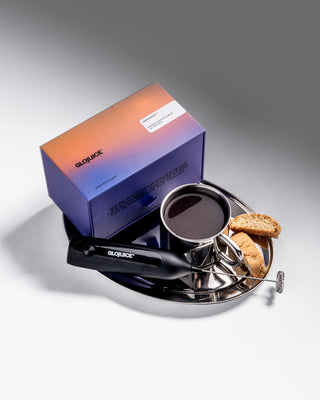
4. Make a magnesium ritual. A warm magnesium drink is the perfect last cue — calming, comforting, and a clear line between “on” and “off” for the day.
Where NightShiftTM fits
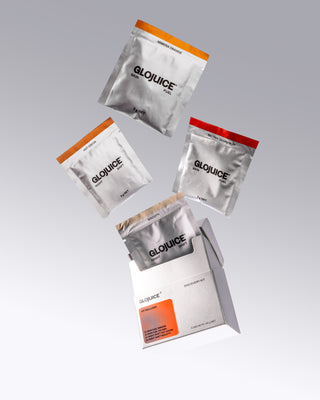
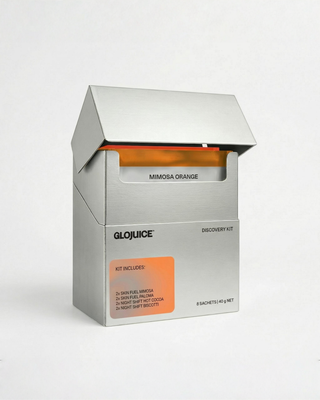
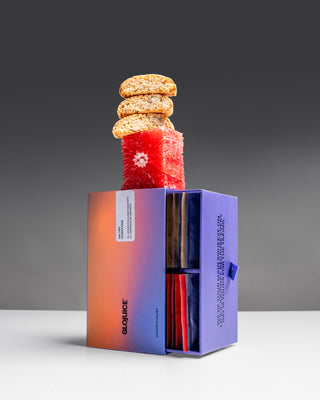
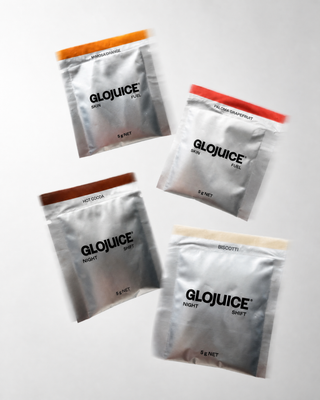
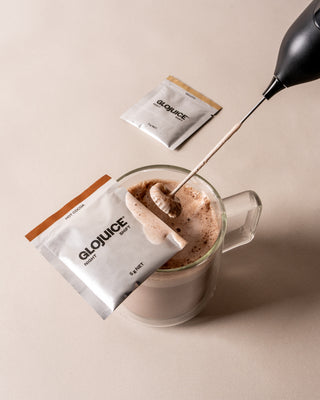
That last step is exactly what NightShift™ was made for. Magnesium and L-tryptophan to support the body’s natural wind-down, in flavours like Hot Cocoa and Biscotti that feel like a treat on a cold night — not another supplement to choke down. It turns “I should get to bed” into a moment you look forward to.
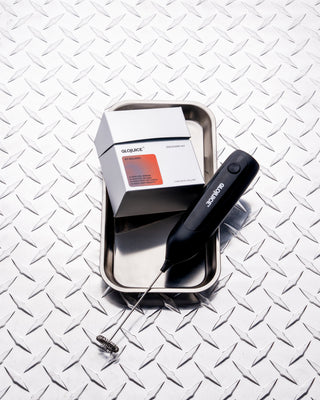
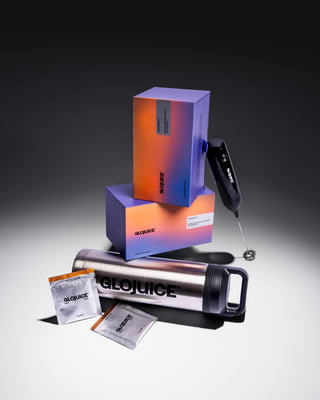
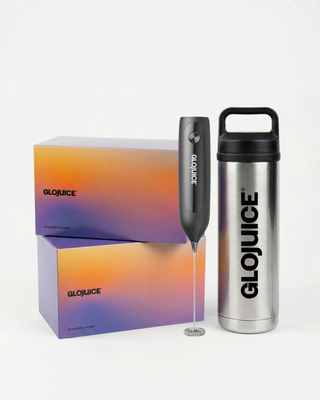
Pair it with SkinFuel™ in the morning and you’ve bookended your day: fuel to rise, calm to rest. That’s the whole idea behind the Wind Down Bundle.
Build your cosy wind-down - Shop the Wind Down Bundle.
The takeaway
Winter sleep struggles come down to disrupted light, a drifting body clock, and a gut–brain system under a little more pressure. Fix the cues — morning light, dim evenings, a cool room, and a calming wind-down ritual — and your nights start to fall back into rhythm. Small evening dominoes, better mornings.
Sources
Blume C, Garbazza C, Spitschan M.
Effects of light on human circadian rhythms, sleep and mood.
Somnologie (Berl). 2019;23(3):147–156.
https://doi.org/10.1007/s11818-019-00215-x
Abbasi B, et al.
The effect of magnesium supplementation on primary insomnia in elderly: A double-blind placebo-controlled clinical trial.
Journal of Research in Medical Sciences. 2012;17(12):1161–1169.
Smith RP, et al.
Gut microbiome diversity is associated with sleep physiology in humans.
PLoS One. 2019;14(10):e0222394.
https://doi.org/10.1371/journal.pone.0222394
Wright KP Jr, McHill AW, Birks BR, Griffin BR, Rusterholz T, Chinoy ED.
Entrainment of the human circadian clock to the natural light-dark cycle.
Current Biology. 2013;23(16):1554–1558.
Harding EC, Franks NP, Wisden W.
The Temperature Dependence of Sleep.
Frontiers in Neuroscience. 2019;13:336.