Human biology follows a circadian rhythm — a roughly 24-hour internal clock that regulates sleep, hormone production, metabolism and cellular repair. This internal timing system influences when the body is most responsive to certain nutrients and physiological processes throughout the day.
During the morning, the body transitions into a state of metabolic activity. Cortisol levels rise, energy production increases and the body prepares to respond to environmental stressors such as light exposure, movement and food intake. Nutrients that support antioxidant defense, hydration and cellular structure may be particularly relevant during this phase.
During the evening, the body shifts toward recovery and repair. Melatonin production increases, the nervous system slows and the body enters a restorative state that supports sleep, immune activity and tissue regeneration.
Research into chrononutrition — the study of how nutrient timing interacts with circadian biology — suggests that aligning nutritional intake with the body’s daily rhythm may help support metabolic health, sleep quality and overall physiological balance.
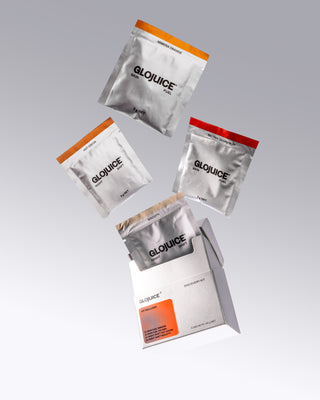
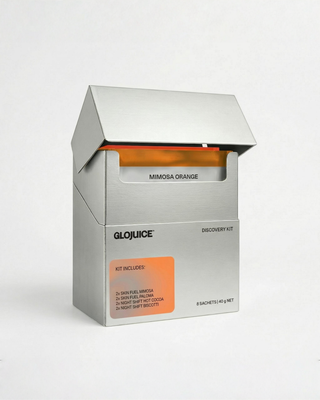
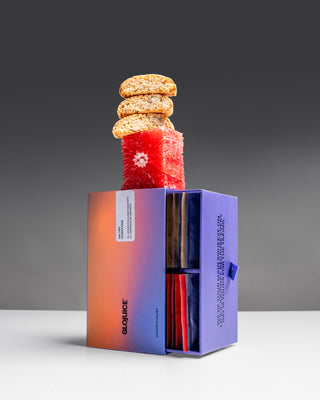
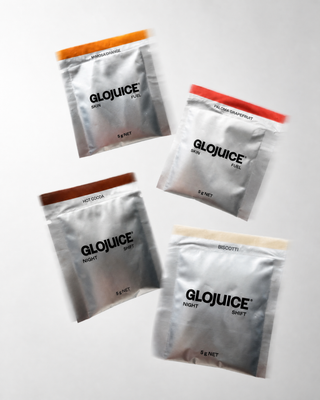
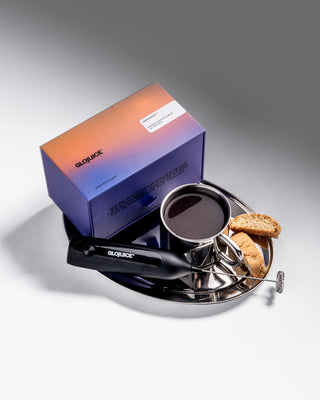
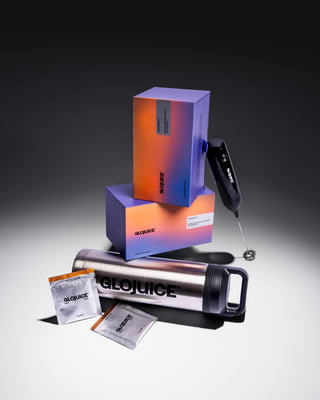
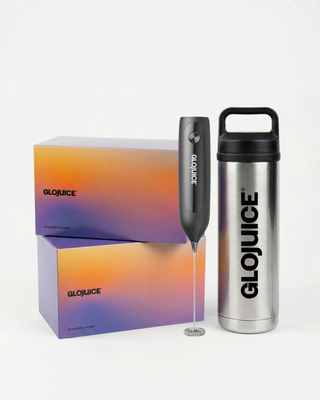
The GLOJUICE® AM / PM system reflects this principle. SkinFuel™ is designed for the start of the day to support active physiological processes, while NightShift™ is formulated to support the body’s transition into rest and recovery in the evening.
Sources
Panda S.
Circadian Physiology of Metabolism.
Science. 2016.
https://doi.org/10.1126/science.aad3309
Pot GK.
Chrononutrition: New Insights into the Relationship Between Nutrition and the Circadian System.
Proceedings of the Nutrition Society. 2018.
https://doi.org/10.1017/S0029665117003973
St-Onge MP et al.
Meal Timing and Frequency: Implications for Cardiovascular Disease Prevention.
Circulation. 2017.
Garaulet M, Gómez-Abellán P.
Timing of Food Intake and Obesity: A Novel Association.
Physiology & Behavior. 2014.