If sleep and mood feel connected, that’s because they share an ingredient — and it’s one you can’t make yourself. Meet L-tryptophan, an essential amino acid that your body turns into the chemistry of calm. Here’s why it’s a quiet hero of any good wind-down.
The tryptophan pathway, explained simply
L-tryptophan is the raw material for serotonin, the neurotransmitter tied to mood and a sense of wellbeing. Serotonin, in turn, is the precursor to melatonin — the hormone that tells your body it’s time to sleep. So the chain runs tryptophan → serotonin → melatonin. Keep the first link supplied, and you support the whole cascade that helps you feel steady by day and sleepy at night.
Because it’s an essential amino acid, your body can’t produce L-tryptophan on its own — it has to come from your diet or a supplement.
Why pair it with magnesium
Tryptophan doesn’t work in isolation. Magnesium supports the nervous system’s ability to relax and plays a role in the enzymatic steps that help convert and regulate these sleep-related compounds. Pairing the two is a logical one-two: tryptophan supplies the raw material for calm, magnesium helps set the stage. Together they support a smoother transition into rest.
We break down magnesium’s sleep role in Magnesium & Sleep Regulation.
Food sources vs a targeted dose
Tryptophan shows up in foods like turkey, eggs, dairy, oats and seeds — which is partly behind the old “turkey makes you sleepy” idea. The catch is that from a mixed meal, only a small fraction reaches the brain, because tryptophan competes with other amino acids for entry. A targeted evening dose, designed for the wind-down window, is a more reliable way to support the pathway when it counts.
Where NightShift fits
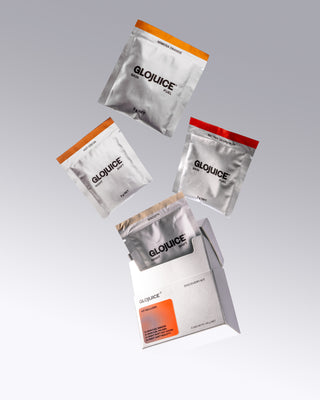
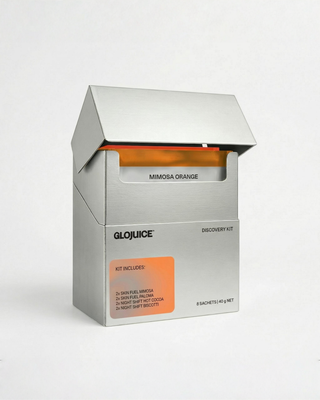
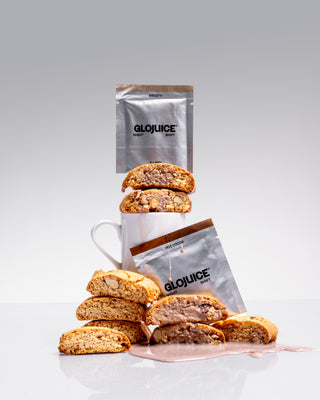
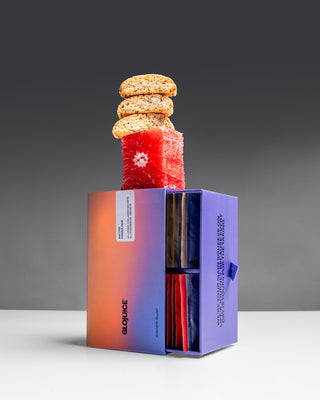
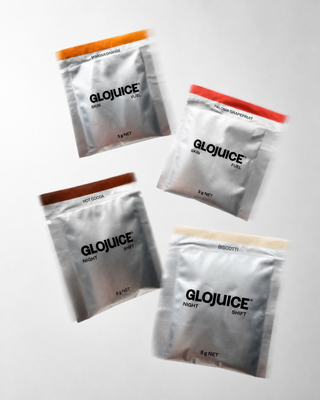
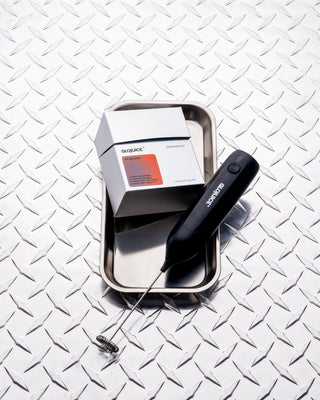
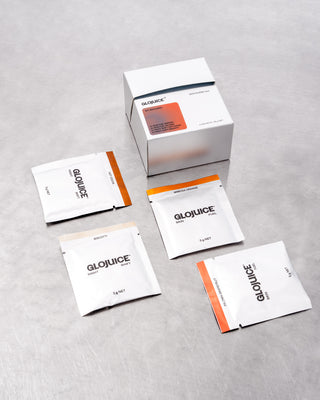
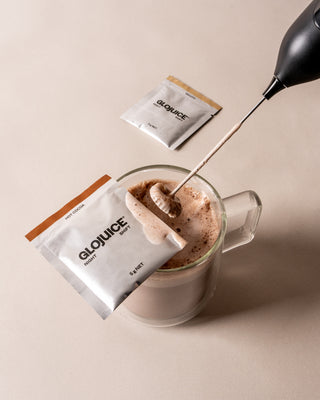
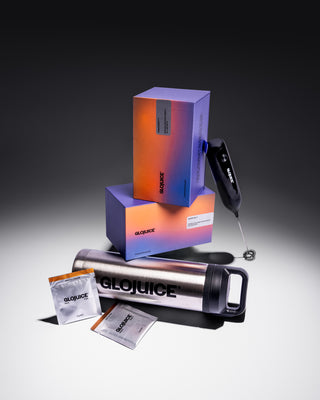
This pairing is the logic behind NightShift™: magnesium and L-tryptophan, dosed for the evening, in cosy flavours like Hot Cocoa and Biscotti that turn winding down into a ritual you look forward to. It’s the gut–brain–sleep system, supported in one warm cup.
Curious how the gut ties into all this? Read The Gut–Brain–Sleep Connection.
Wind down with magnesium + L-tryptophan — Shop NightShift™.
Sources
Richard DM, et al.
L-Tryptophan: Basic Metabolic Functions, Behavioral Research and Therapeutic Indications.
International Journal of Tryptophan Research. 2009;2:45–60.
Jenkins TA, et al.
Influence of Tryptophan and Serotonin on Mood and Cognition with a Possible Role of the Gut-Brain Axis.
Nutrients. 2016;8(1):56.
https://doi.org/10.3390/nu8010056
Friedman M.
Analysis, Nutrition, and Health Benefits of Tryptophan.
International Journal of Tryptophan Research. 2018;11:1–12.
Silber BY, Schmitt JA.
Effects of tryptophan loading on human cognition, mood, and sleep.
Neuroscience & Biobehavioral Reviews. 2010;34(3):387–407.
Abbasi B, Kimiagar M, Sadeghniiat K, et al.
The effect of magnesium supplementation on primary insomnia in elderly: A double-blind placebo-controlled clinical trial.
Journal of Research in Medical Sciences. 2012;17(12):1161–1169.